
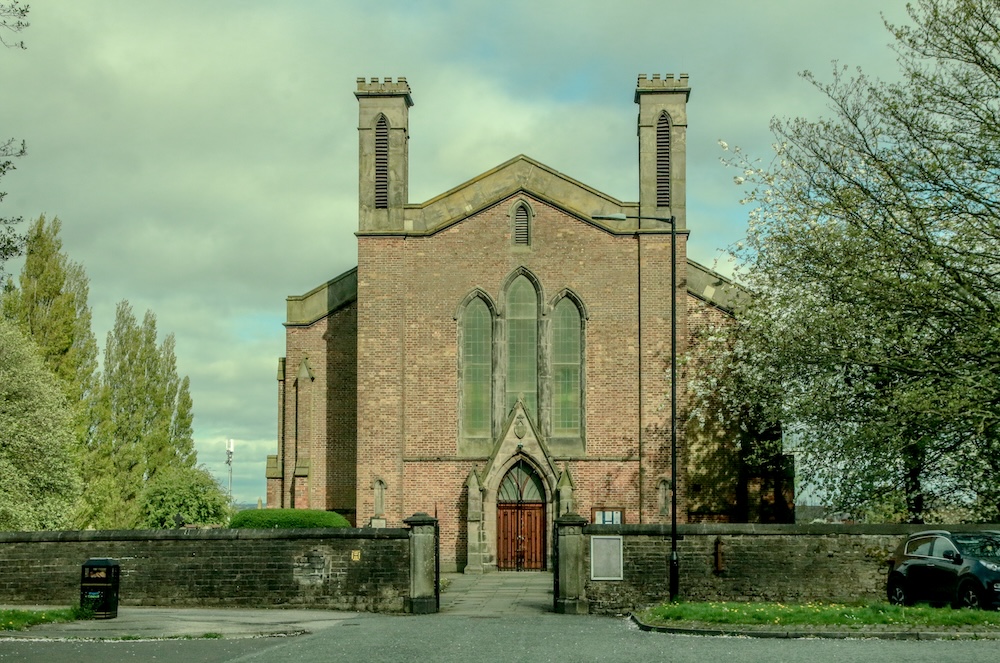
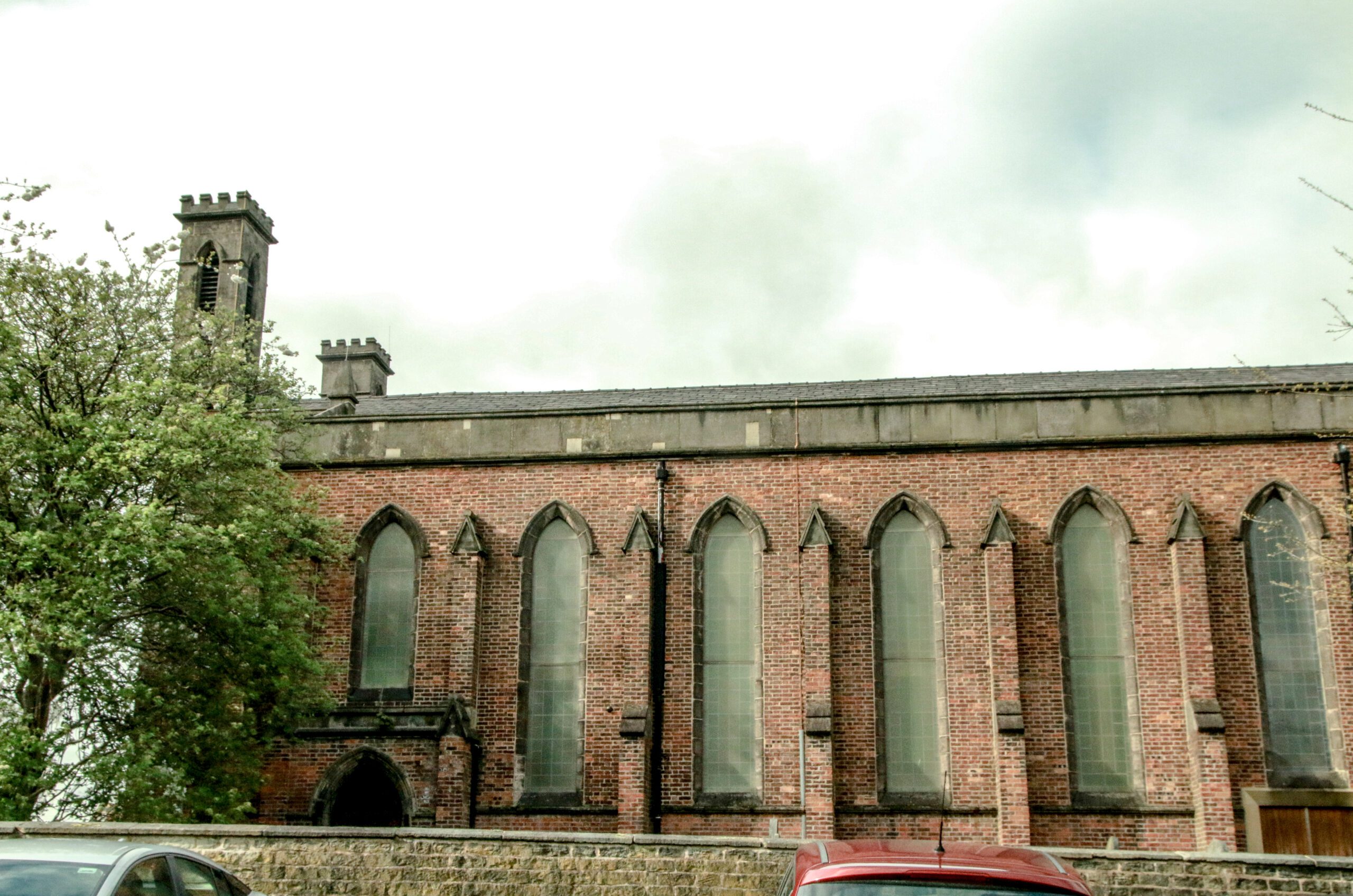
St. John’s Pemberton is a modest red brick church with square stone turrets above the west door and stone dressing for the windows. Built at the same time as St. David’s Haigh and designed by the same architects, Rickman and Hutchinson, St. John’s is one of the oldest churches in Wigan.
It was consecrated in 1832 and to get a feel for the church when it was first built, go up into the galleries. The wooden pews there are simple and basic designed to accommodate as many people as possible, comfort not a priority.
It is a ‘Waterloo Church’, paid for by the Church Commissioners who administered a government fund set up to build new churches often in areas of rising population in newly industrialised areas and that is exactly in 1832 what the Pemberton area was. It wasn’t straightforward though. By the 1830s the Church Commissioners expected parishes to contribute towards the cost of their church. The then Rector of Wigan, Revd. George Bridgeman, wrote to them stating very clearly that the people living in Pemberton were simply too poor to contribute and eventually the Commissioners relented stipulating that the church be built out of cheaper brick rather than stone. No wealthy pit or mill owner to pay for a church in those days!
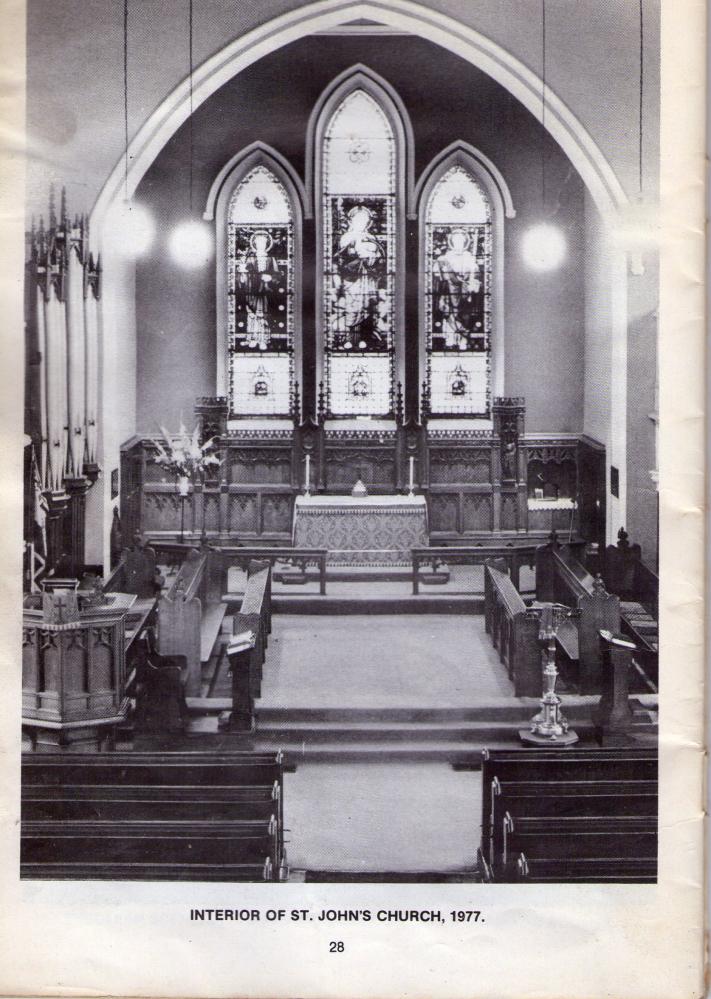
The church is bright and airy, the galleries, supported on their thin iron columns, are painted in attractive blue and terracotta colours. The original box pews were replaced later in the nineteenth century with the benches which are still there and a stained glass window depicting Christ as the Good Shepherd with St. John and St. Paul was placed above the altar. The church became much more ‘Victorian’ in character with a stone pulpit being erected and the choir and organ moved to the east end from the west gallery. The church made the newspapers when, in 1890, the choir began to wear surplices against the wishes of many parishioners. Booing, hissing and a mass exodus resulted!
Church and royal jubilees were celebrated by special services and processions to Winstanley Park, over 3,000 people walking on one occasion with little children being carried in horse drawn carts. The origins of Walking Days perhaps.
One unexpected treasure. Near the War Memorial look out for a striking modern stained glass window in memory of Robert Hartley, a respected local gynaecologist. It depicts the infant Christ with his mother Mary and some lovely flowers. (Dr. Hartley, we’ve learnt, was a keen gardener.) It was designed by the famous York based stained glass artist, Harry Stammers, a real treat for anyone looking round St. John’s Church.
Original gallery seating
Graveyard which tells the story of the people of Pemberton
© Who Built Wigan's Churches 2024 - .
All rights reserved.